Three fresh pages,
every morning
Start the day with three blank pages. One can be a single line and another a long stretch of thinking — the number is a rhythm to keep, not a word count to hit.
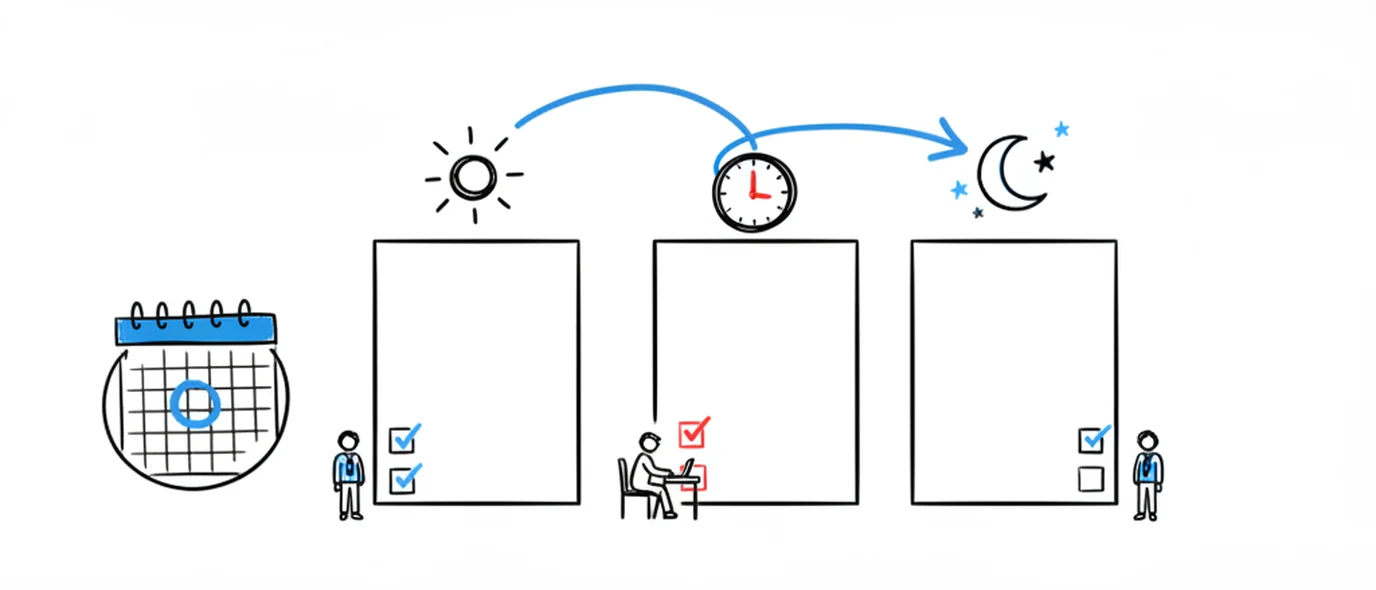
3 Pages Daily gives you three blank pages each day, filed automatically under that date.
Pages have no word limit and no required format — text, checklists, photos, drawings, voice notes and attachments all live on the same sheet. The count borrows from the morning pages tradition; the date-first filing is what makes it findable years later.
Open the app, start writing
3 Pages Daily opens directly to today. There is no setup step between deciding to write something down and writing it down.
Date-organized
Everything lives under its date first. No filing, no folders, no notebooks to create.
Unlimited depth
Pages grow as you write. There's no per-page character cap.
Page dots
Move between today's pages with the progress dots in the top bar.
Topics, added later
Tag a page with a Topic whenever you want — organizing never has to happen before writing.
Saved to your device before the cloud
Every keystroke is written to a local draft on your device first, then synced. A dropped connection mid-sentence doesn't cost you the sentence.
Local draft first
Your text is stored on the device as you type, then reconciled with the server copy.
Retry queue
Writes that fail to reach the server are queued and replayed rather than dropped.
Connection still required
Lasting backup needs you online — the local layer protects the moment, not the archive.
What people put on the three pages
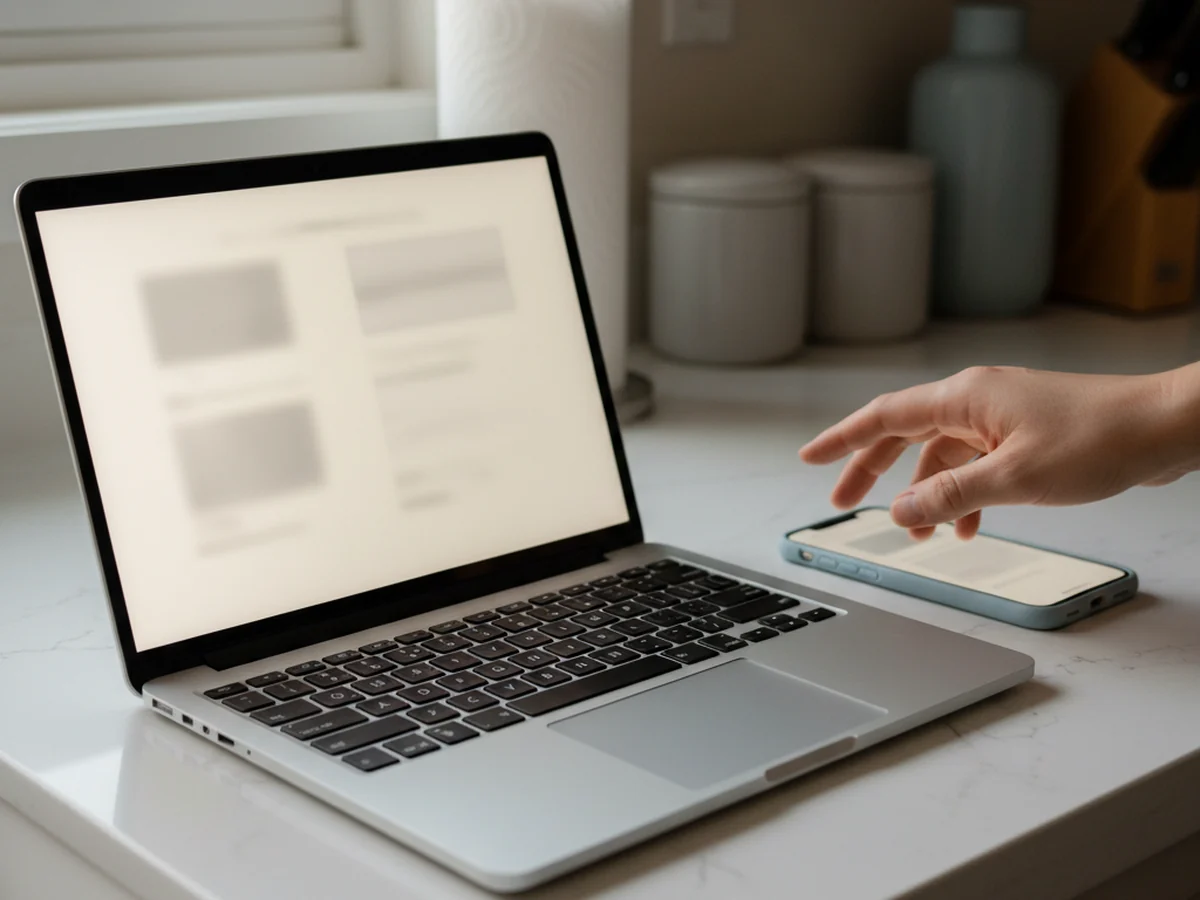
Nothing here is enforced — these are just the shapes the three-page rhythm tends to settle into.
Page one — clear the head
Morning pages in the original sense: whatever is already running, written down so it stops running. Often above a short to-do list.
Page two — catch the day
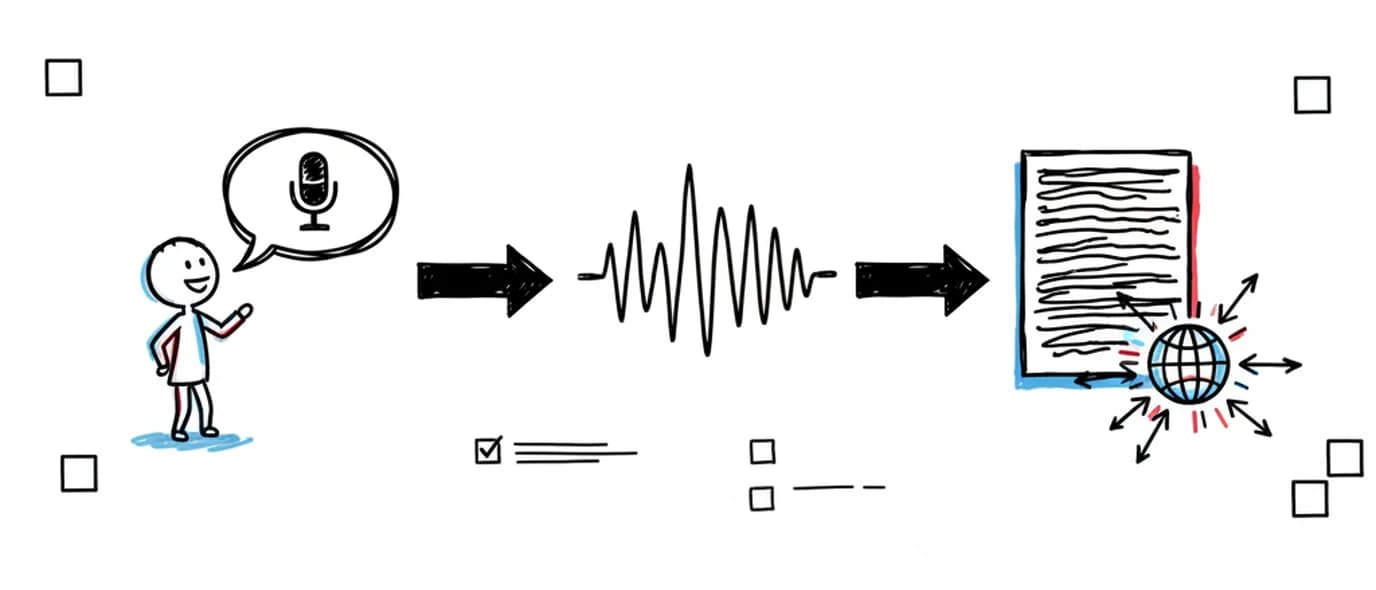
The photo, the link, the half-idea, the sixty-second voice note recorded between two meetings. Capture first, sort later or never.
Page three — close the loop
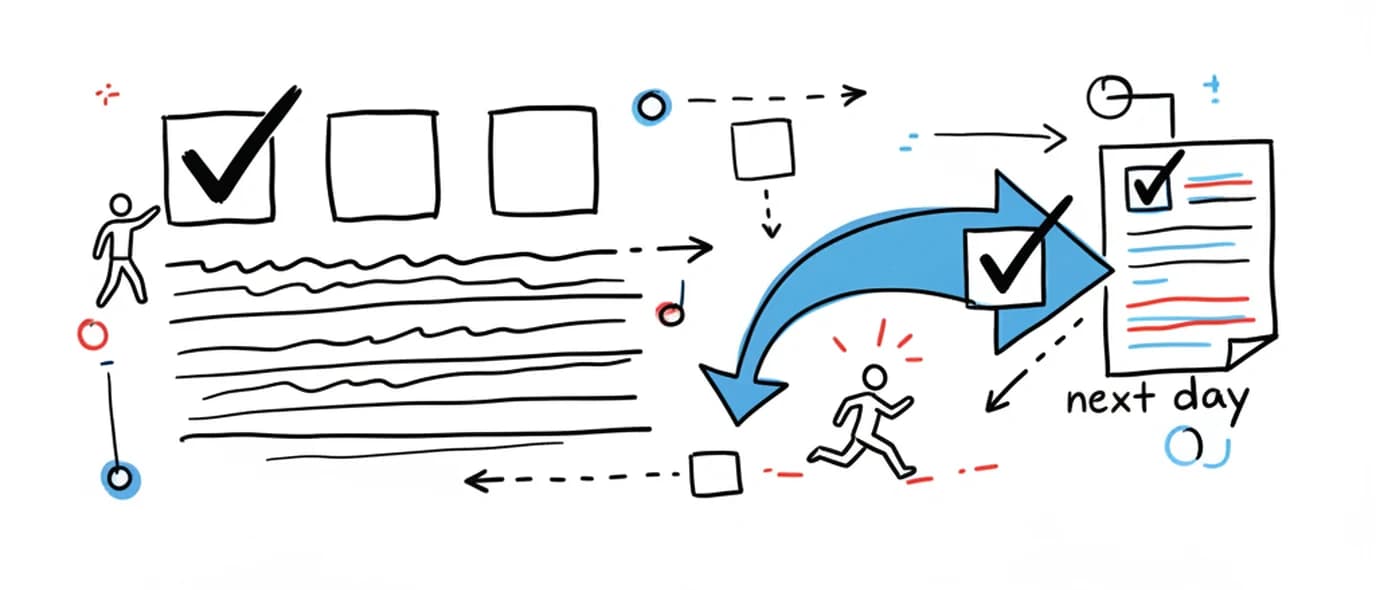
A few lines at night, what went differently than expected, what's carrying over to tomorrow. The page that turns a record into something worth rereading.
Three pages versus an infinite page
Unlimited space sounds better than it works. A bounded daily surface is easier to start and much easier to come back to.
Frequently asked questions
Morning pages are three pages of longhand, stream-of-consciousness writing done first thing after waking, described by Julia Cameron in The Artist's Way. The point is not to produce anything good — it's to clear whatever is sitting at the front of your mind before the day starts. 3 Pages Daily keeps the three-page rhythm and the blank start, without requiring the writing to be longhand or the time to be morning.
No. A page expands as you write — there's no character or word cap on any of them. Three is the number of surfaces you get each day, not a quota of words. Some days a page holds two lines; other days it holds two thousand words.
Yes. Many people give each page a job: page one for a freewrite, page two for the day's plan and checklist, page three for gratitude or notes to come back to. The pages start blank, so the split is yours, and it can change from one day to the next.
No. Pages are tied to the date, not to a time of day. Plenty of people use page one in the morning for planning, page two through the day for capture, and page three at night for reflection — but nothing enforces that split.
They stay where they are, under their date. You can open any past day from the Calendar, search across everything you've written, and export any page as a PDF whenever you want a copy outside the app.
Three pages is the space available, not the target. A two-line entry on a busy Tuesday is a complete use of the day. The structure exists to remove the decision about where to write, which is the step that most often stops a journaling habit before it starts.
Keep exploring
New to the practice? Start with our guide to morning pages, from Julia Cameron's rules to a plan for the first week. If a blank page is the part that stops you, start from a question instead — 120 journal prompts sorted by mood are grouped by the state you're actually in. Doing morning pages on a phone, tablet or Mac? See the morning pages app for iPhone, iPad and Mac. Used to counting 750 words a day? Here is how 750 Words and its alternatives compare.
Make room for your mind
every day.
Three pages a day. No setup, no folders, no complexity. Just open it and write.